
ARCTIC DRILLING IS BAD FOR BUSINESS
Some places are too risky to drill—and too valuable to destroy.
The Arctic National Wildlife Refuge and the Western Arctic Reserve are among the most remote and ecologically important landscapes in the world.
Global investors, insurers, and banks have walked away from Arctic drilling. Major financial institutions—including many that finance projects across the energy sector—have concluded that the costs and risks far outweigh the potential returns.
Arctic oil: high cost, high risk, low return.
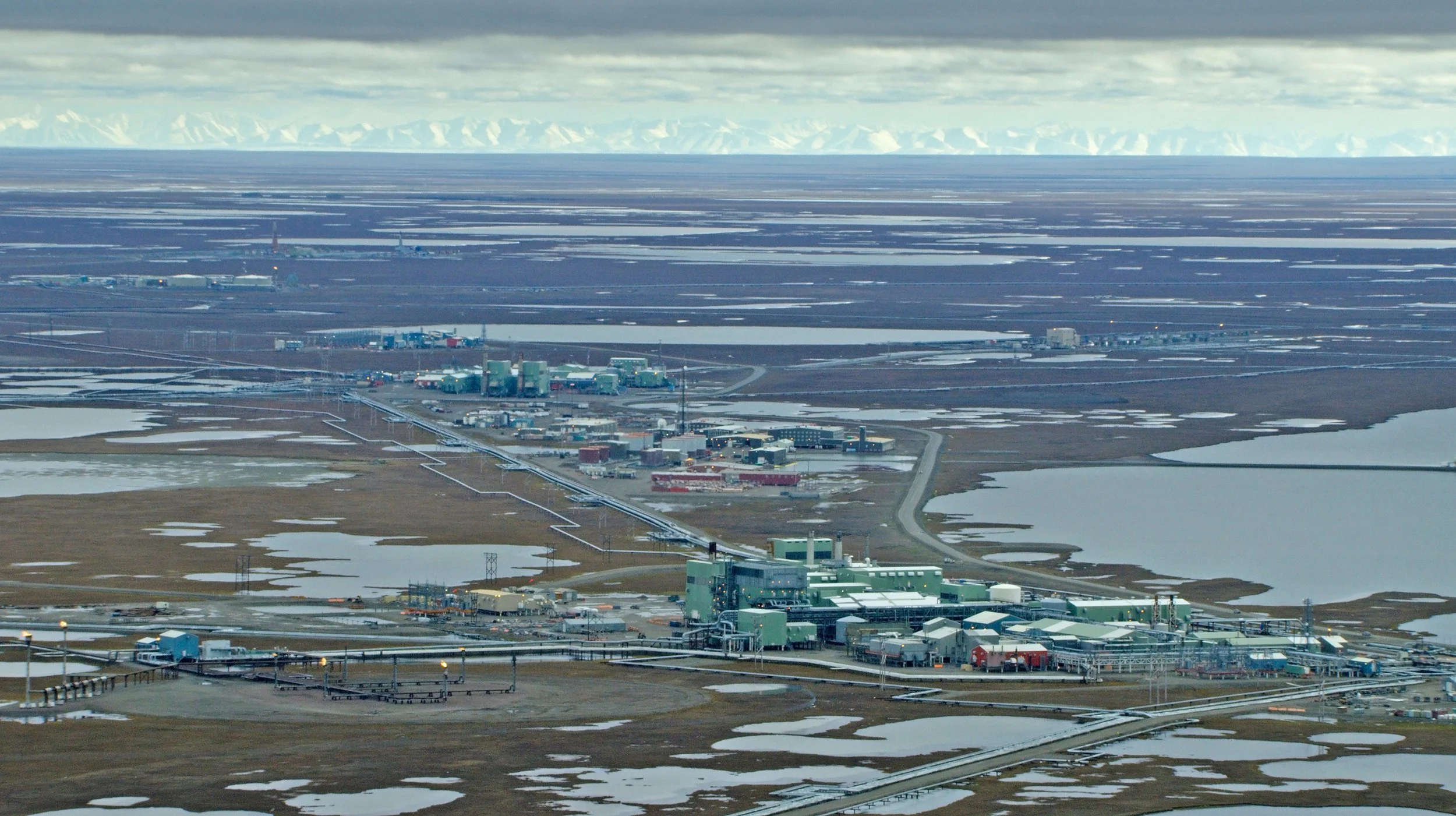
Frontier Arctic projects are uniquely complex and expensive. Harsh conditions, remote infrastructure, and volatile global markets make development costly and uncertain. The highly controversial Willow Project, for instance, has just been reported to be $1.5 billion more expensive than originally projected. The up-front costs are rising—yet the market and regulatory upside is shrinking.
Companies that pursue Arctic drilling aren’t being bold—they’re being reckless.
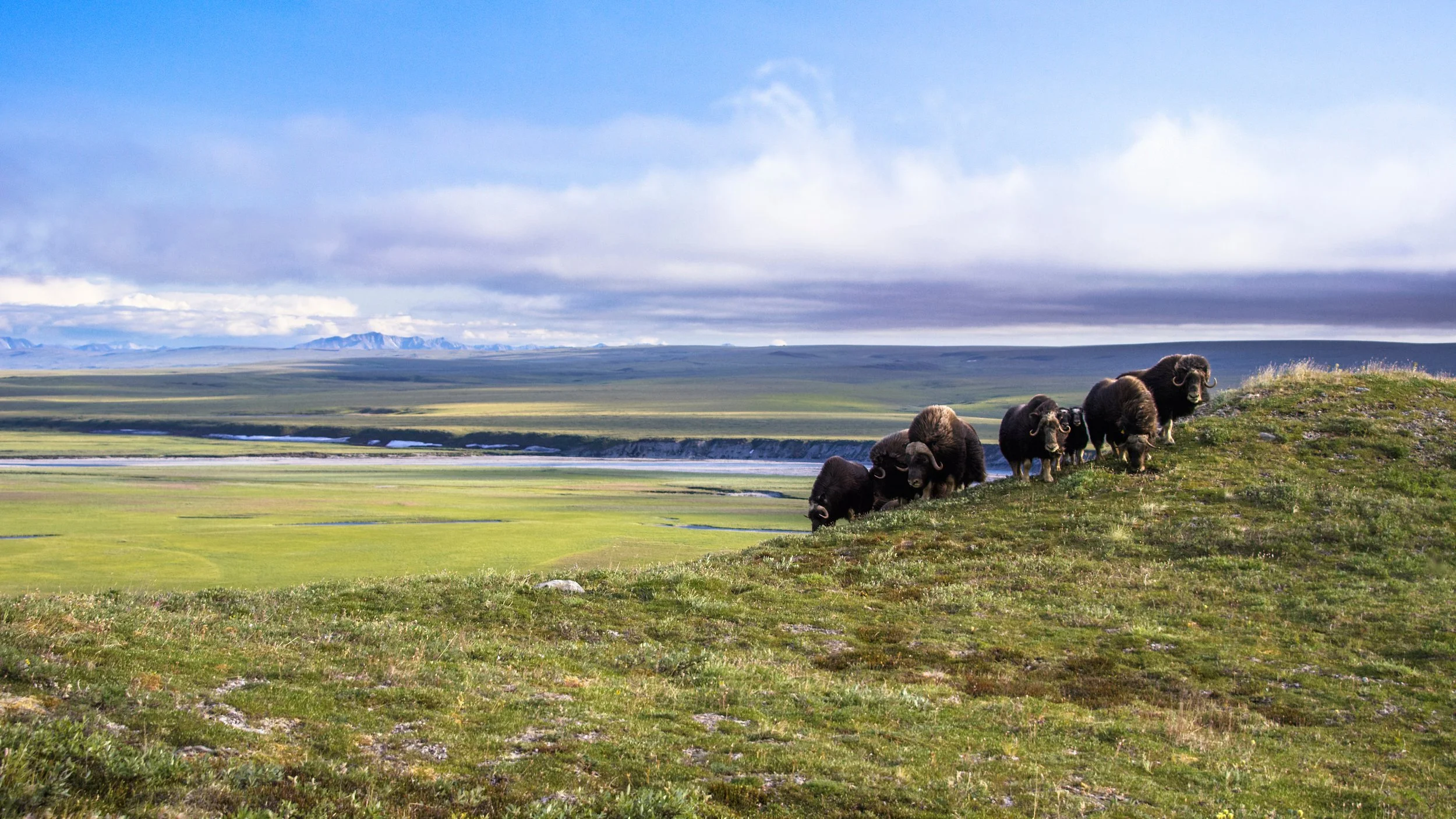
Participation in new Arctic lease sales leads to the destruction of critical wildlife habitat and the harm of Indigenous communities who have relied on these lands for millennia. The Arctic is home to caribou herds, polar bears, muskox, and millions of migratory birds. It is also central to the culture and subsistence of Gwich’in and Iñupiat peoples.
Smart companies are steering clear.
The Bureau of Land Management’s upcoming lease sale in the National Petroleum Reserve–Alaska is expected to include areas around Teshekpuk Lake and other Special Areas long recognized for their ecological and cultural value. And the American public have shown for years that they disapprove of drilling in the pristine Arctic National Wildlife Refuge. Americans across the political spectrum oppose Arctic drilling. Staying out of the Arctic isn’t just the right thing to do—it’s the smart business move.