
ARCTIC ALASKA
ARCTIC NATIONAL WILDLIFE REFUGE
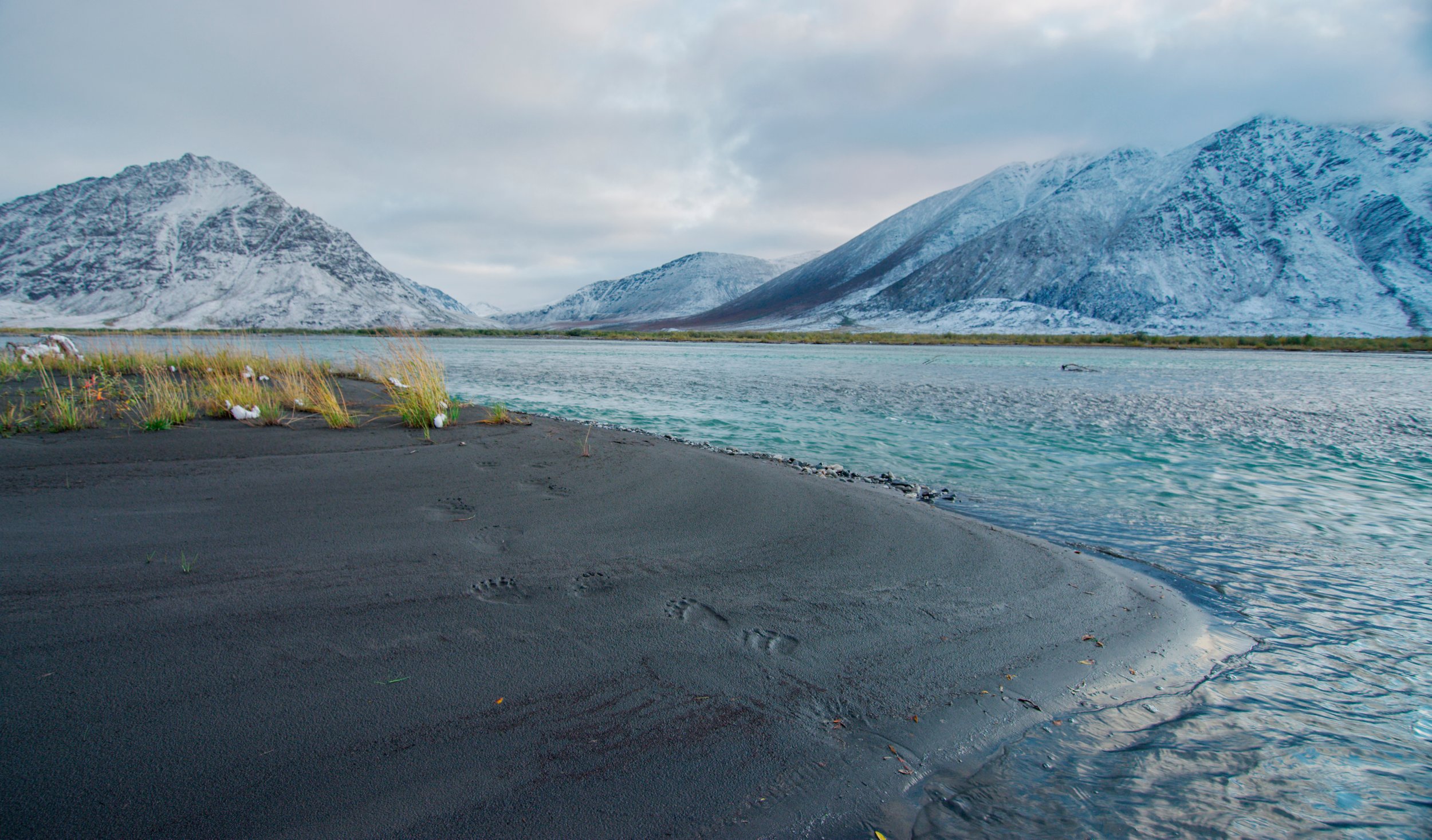
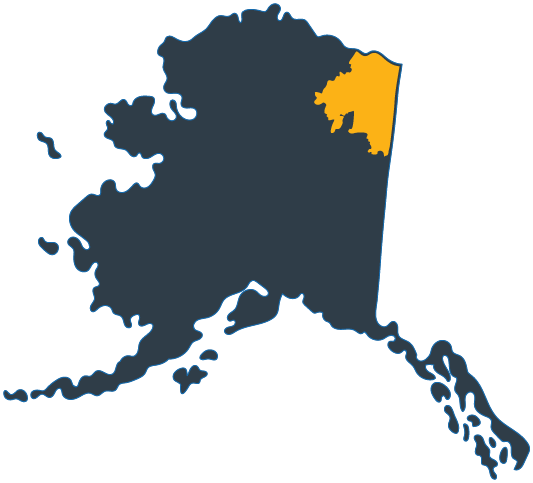
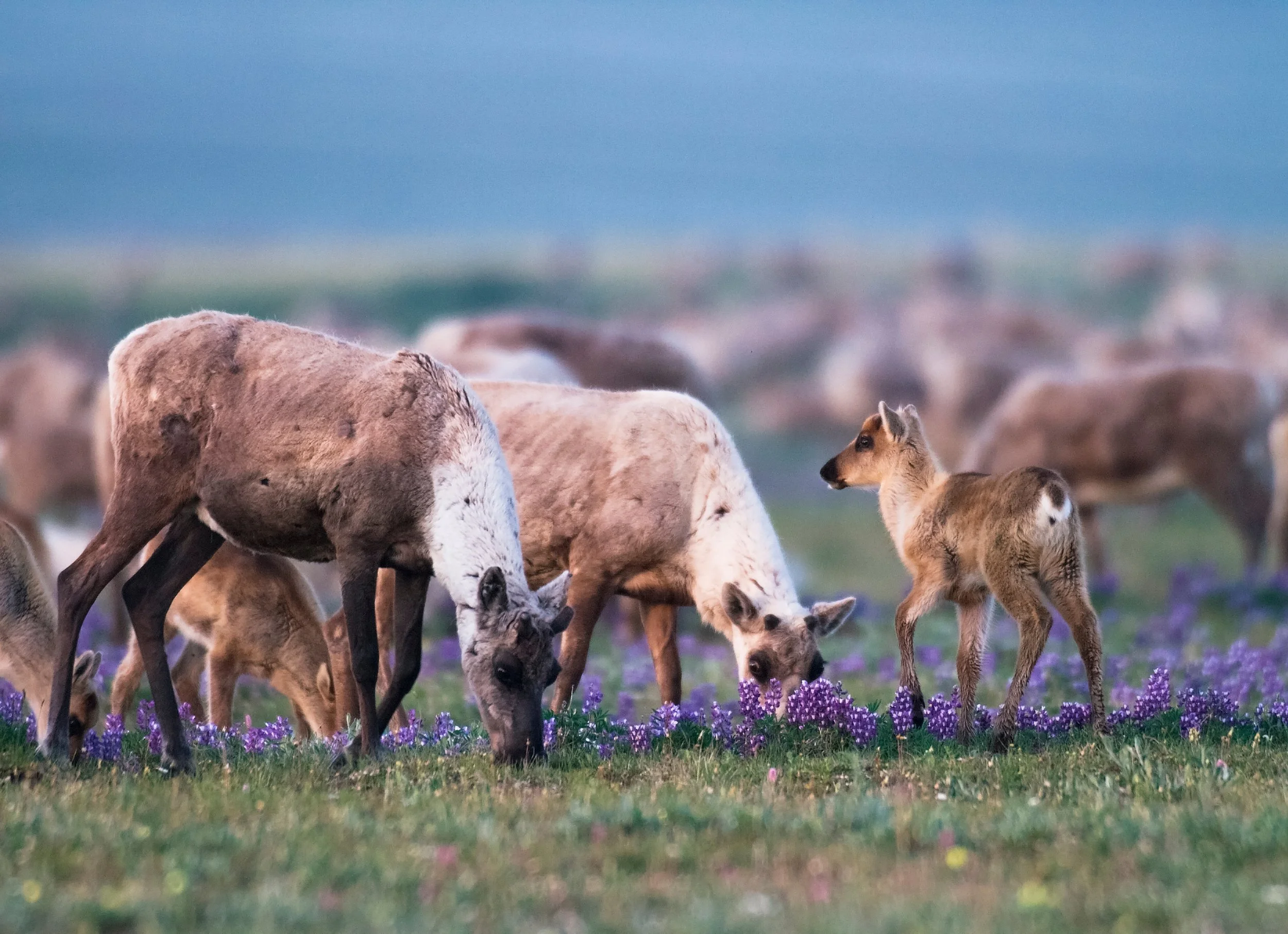
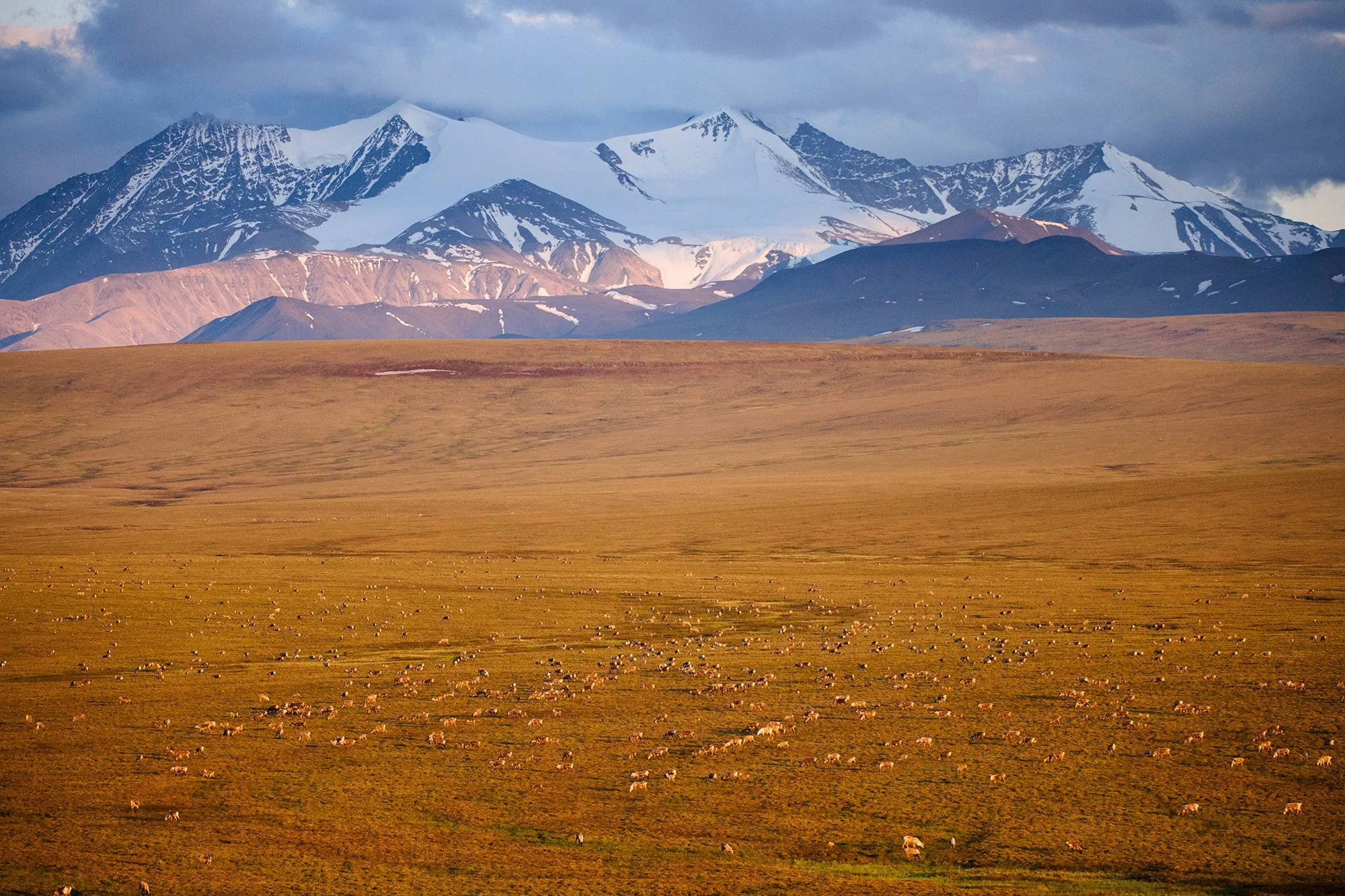
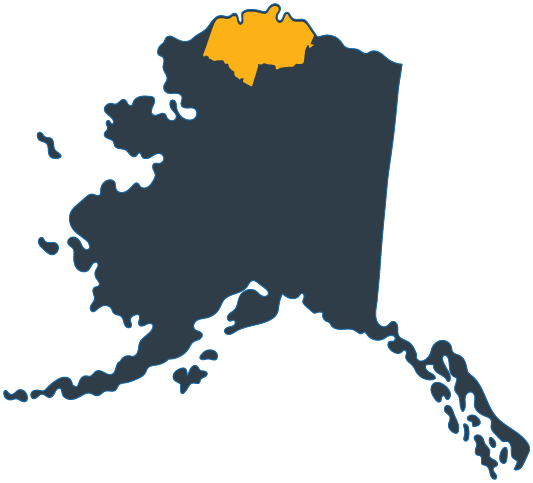
The Arctic Refuge is one of our nation’s most majestic public lands. It spans 19.6 million acres, and supports the greatest variety of plant and animal life in the entire circumpolar north. It is home to the Porcupine Caribou Herd, denning polar bears, musk oxen, wolves, and nearly 200 species of migratory birds. Its biological heart, the coastal plain, is where the Porcupine Caribou Herd makes the world’s longest migration to each year to give birth and raise their young. The coastal plain is also the most important onshore denning habitat for polar bears in the United States – mother polar bears with cubs are increasingly denning in this area as annual sea ice melts more quickly due to a warming climate.
The Gwich’in Nation, living in Alaska and Canada, make their home on or near the migratory route of the Porcupine Caribou Herd and have depended on the animals for their subsistence and culture for thousands of years. The Gwich’in people – along with Iñupiat land protectors – have worked to protect these lands for generations. They strongly oppose any efforts to drill for oil and gas within the Refuge, which would threaten to alter caribou migrations and population, risking the Gwich’in way of life.
The Arctic Refuge is also a shield against increasing threats from climate change. The permafrost found in the Refuge is an effective storage container for carbon, at risk of release as temperatures continue to warm and permafrost continues to melt. On the Refuge coastal plain, permafrost warmed 3 to 5°F between 1985 and 2004. And research suggests that even temporary changes in Arctic sea ice can have significant effects on the atmosphere, which may in turn have downstream consequences for the weather in other parts of the Northern Hemisphere.
Drilling in the Arctic Refuge is deeply unpopular with the American people. According to public polling done by Yale Climate Connections, a large majority of American voters (67%) oppose drilling in the Arctic National Wildlife Refuge. The case for protecting this sacred land is so clear that all major banks in the U.S. and Canada are among the two dozen banks around the world that have announced they will not fund any new oil and gas development in the Arctic Refuge.
Oil and gas exploration in the Arctic Refuge is counterproductive to climate action, wildlife conservation, and the human rights of the Indigenous Peoples who strongly oppose any effort to drill.
WESTERN ARCTIC RESERVE
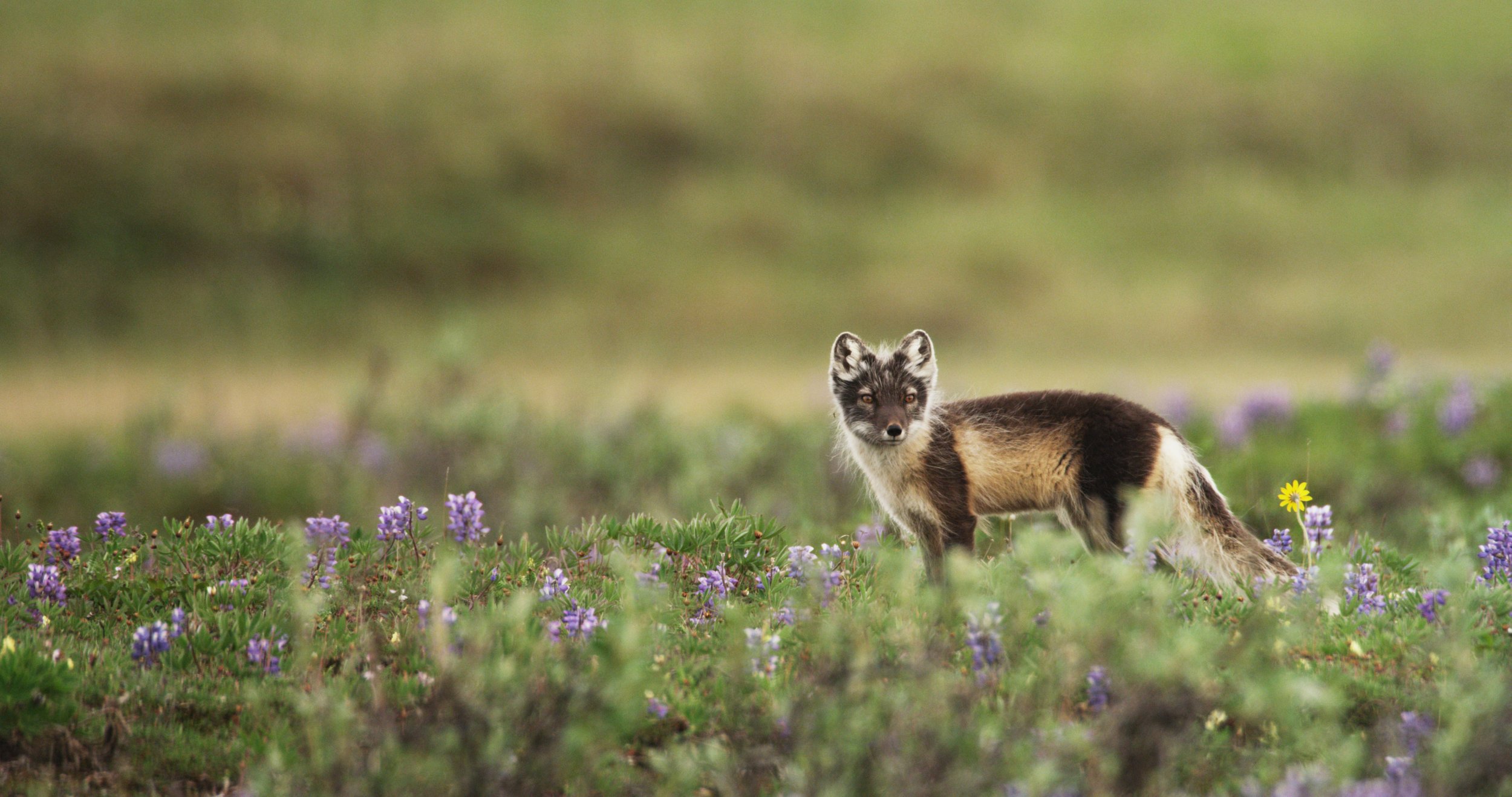
The National Petroleum Reserve-Alaska is the largest single unit of public lands in the nation, spanning nearly 23 million acres across Alaska's western North Slope. Despite its name, the Reserve is an area rich with an array of birds and wildlife, and includes some of our nation’s most vital natural resources — millions of acres of wilderness-quality lands with critical habitat for migratory birds, brown bears, caribou, threatened polar bears, walrus, endangered beluga whales, and more.
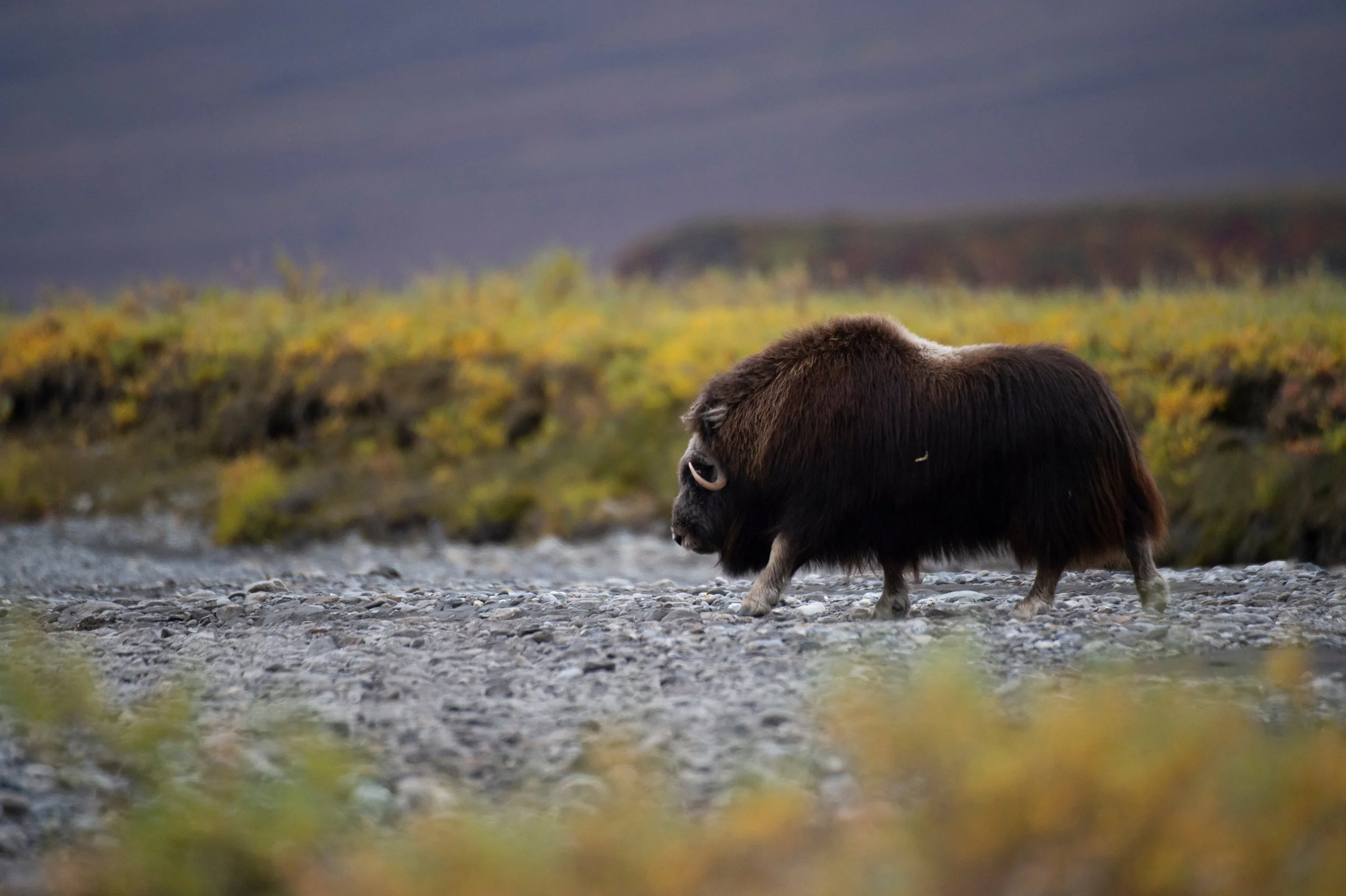
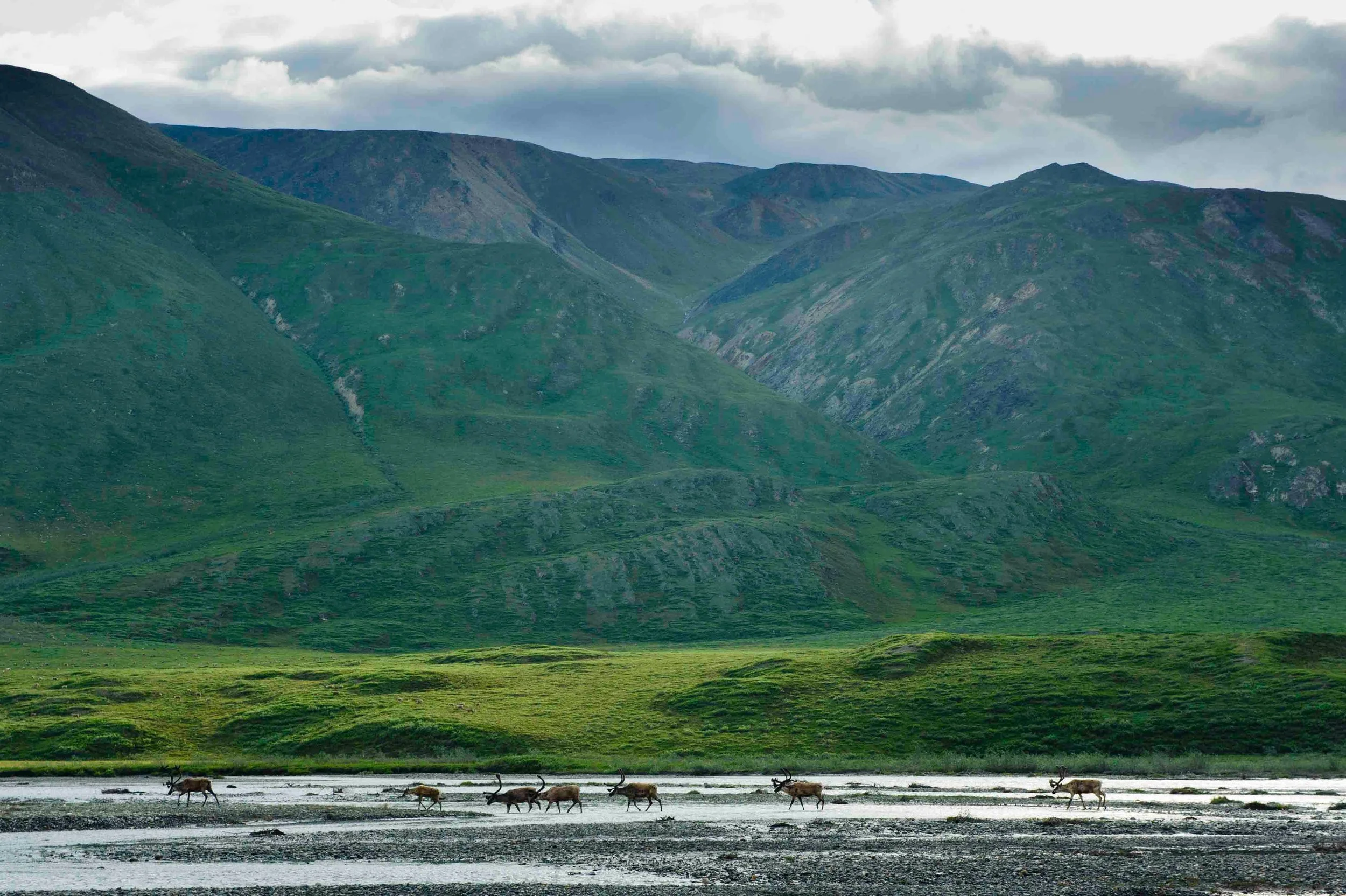
The Reserve is vast and diverse, serving as vital habitat for wildlife like polar bears, muskox, and home to three caribou herds – including the Western Arctic Caribou Herd. The Alaska Native communities that live in and around the Reserve have maintained a subsistence lifestyle for thousands of years based on its living resources.
The Reserve is also an irreplaceable bird habitat: Birds from all four flyways in North America, plus several international flyways, migrate to the Reserve every year to raise their young. Tundra swans from the Atlantic Flyway, white-fronted geese from the Mississippi Flyway, pintails from the Central Flyway, and Pacific black brant from the Pacific Flyway converge on this summer destination, just to name a few. Even shorebirds from as far away as Hawaii and New Zealand find their way north to the Reserve.
Within the boundaries of the Reserve are Special Areas — five areas of land that play pivotal roles in conserving ecosystems found nowhere else on earth, supporting the economy with extraordinary recreation opportunities, and serving as a haven of climate action and resiliency. They include places like Teshekpuk Lake, Utukok Uplands, Colville River, Kasegaluk Lagoon, and Peard Bay. These Special Areas deserve maximum protections from any future oil and gas development. Ensuring those protections means that the entire region will benefit.
The existing protections in the Reserve are not enough to ensure that it can thrive into the future, and oil and gas development is the greatest looming threat to the entire region. There are 2.5 million acres of existing leases within the Reserve that are yet to be developed, including 800,000 leased acres in the Special Areas—and make no mistake, the oil and gas industry is hungry for more. We must act now to protect this vast and vital landscape.
TAKE A STAND
Join us in protecting Arctic Alaska and standing with the people and wildlife who call it home.