
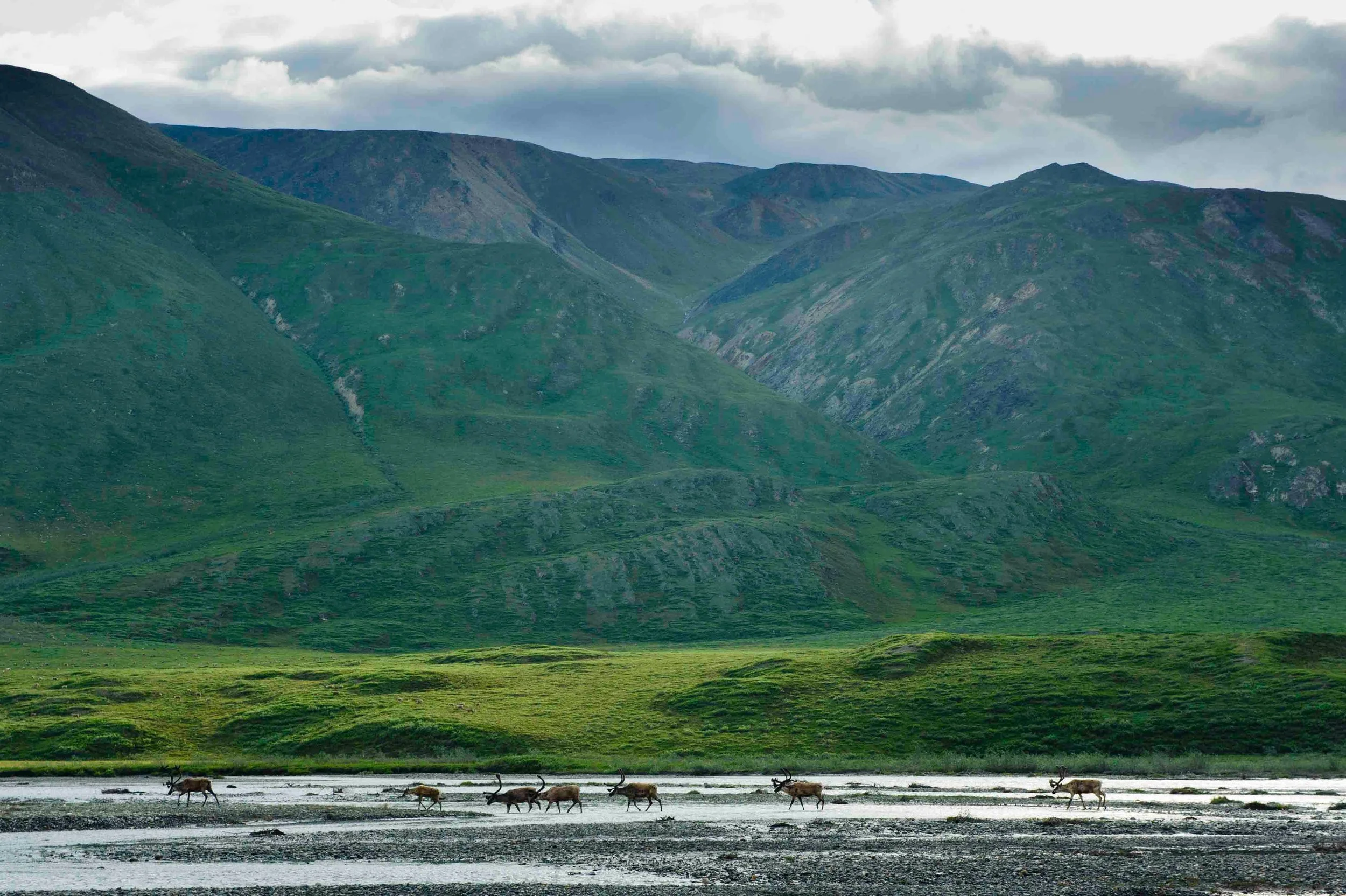
WE STAND WITH THE

PEOPLE
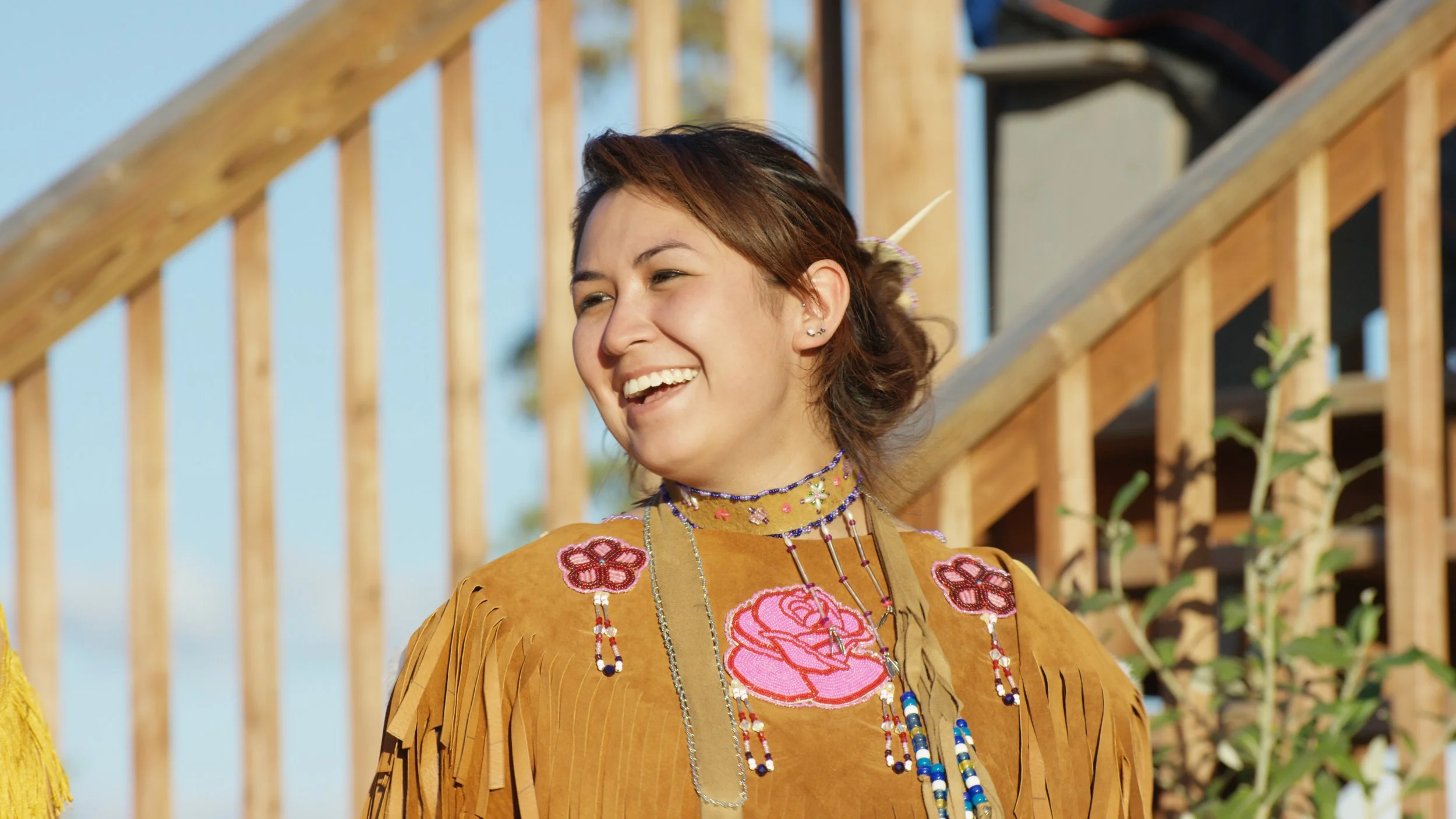
WE DEFEND THE
WILDLIFE
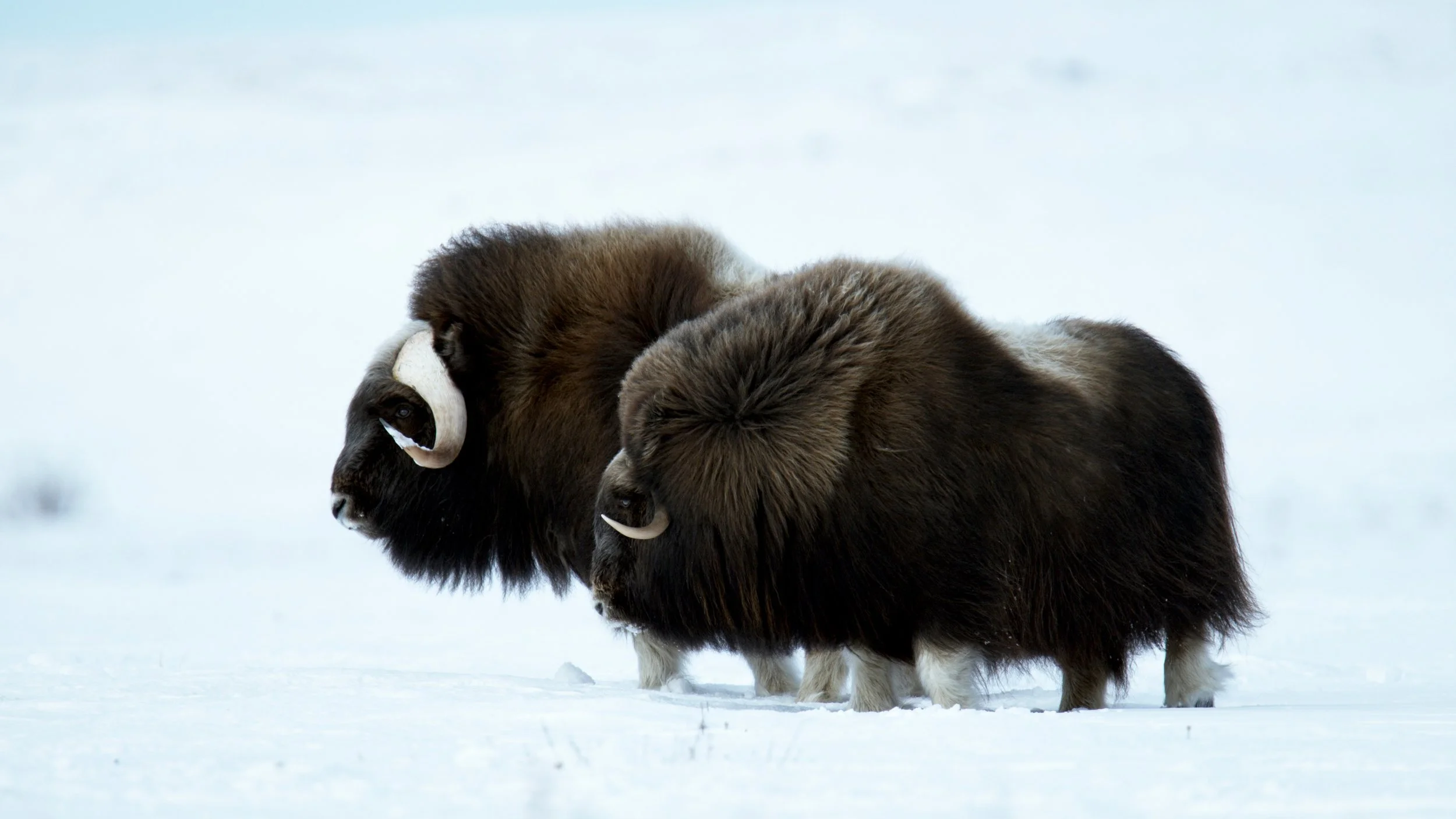
WE PROTECT THE
ENVIRONMENT
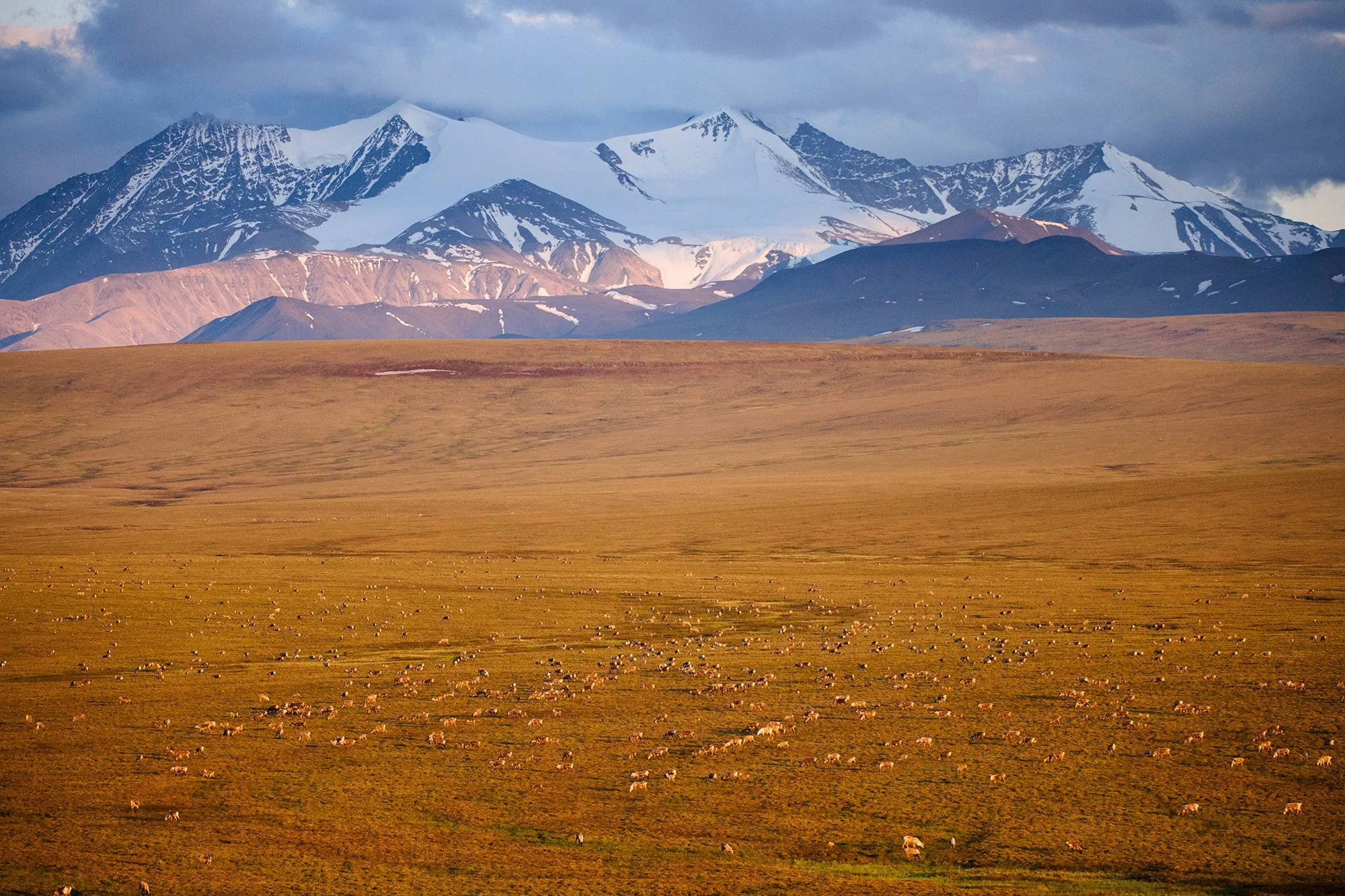
WE STAND WITH THE
PEOPLE
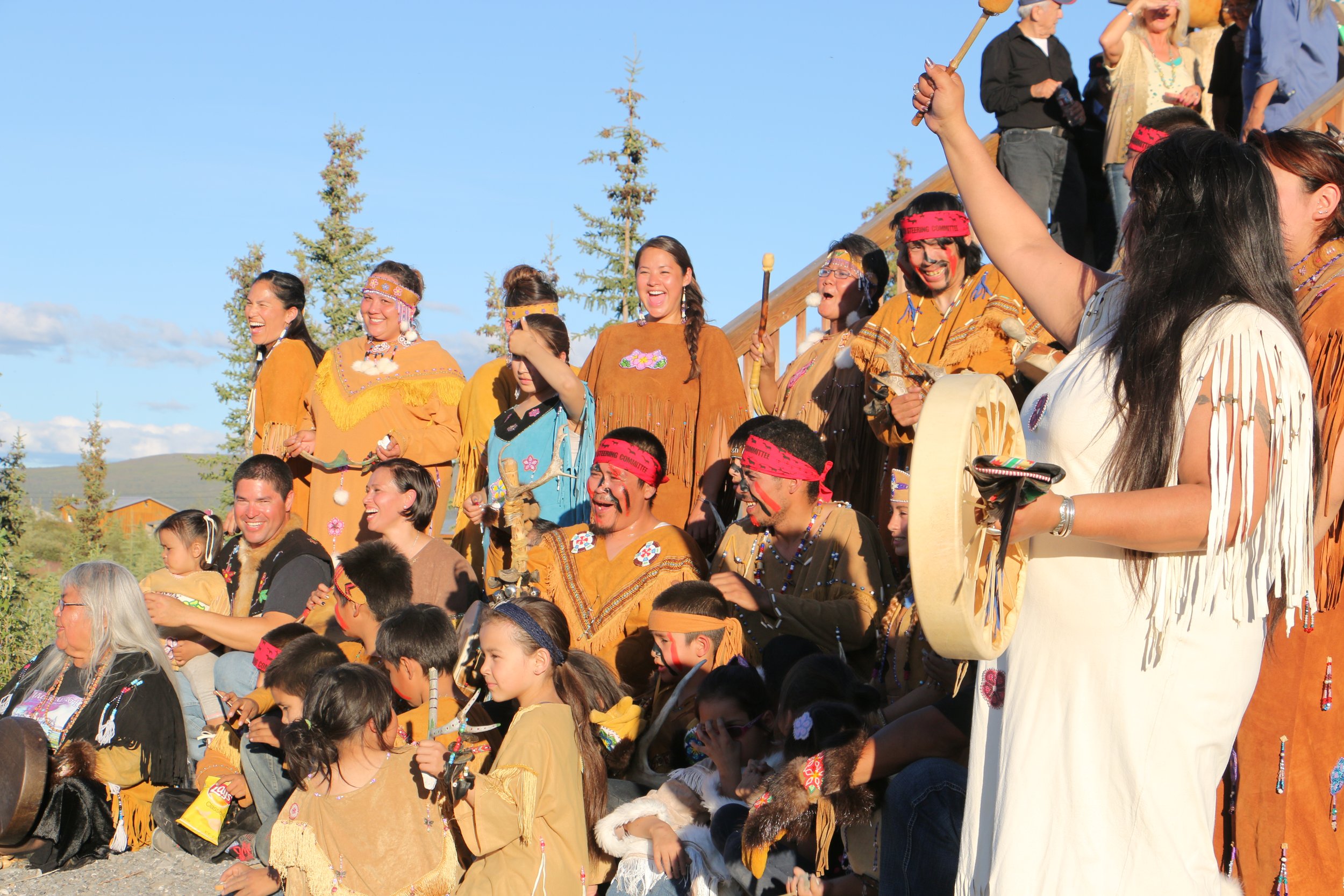
The Arctic region of the United States comprises a vast portion of northern Alaska, nourishing an abundance of life that supports Alaska Native cultures and communities. The entire region, including the Arctic Refuge and the Western Arctic Reserve, are the traditional homelands of Gwich’in and Iñupiat Peoples who have stewarded and relied upon these lands from time immemorial.
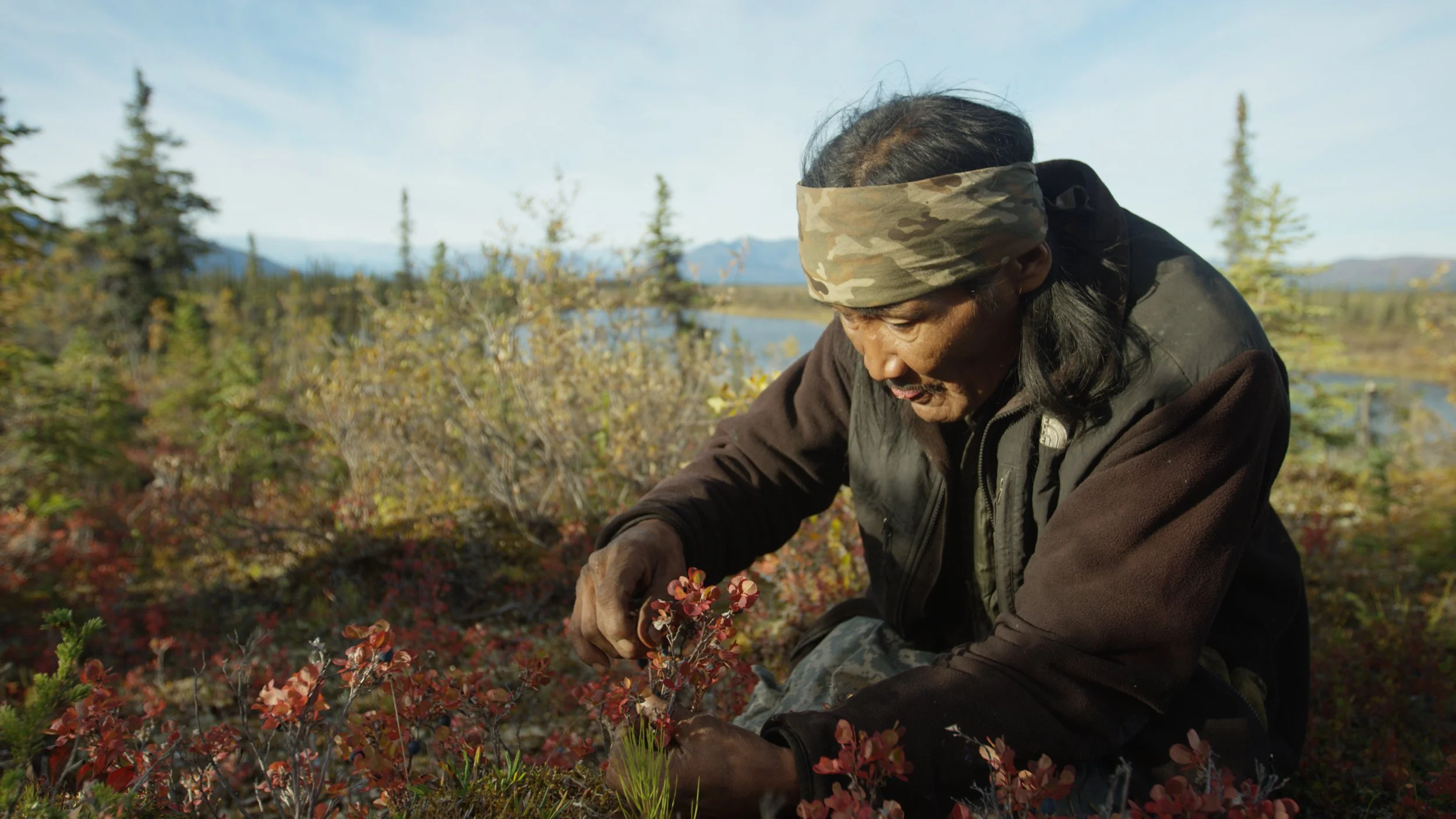
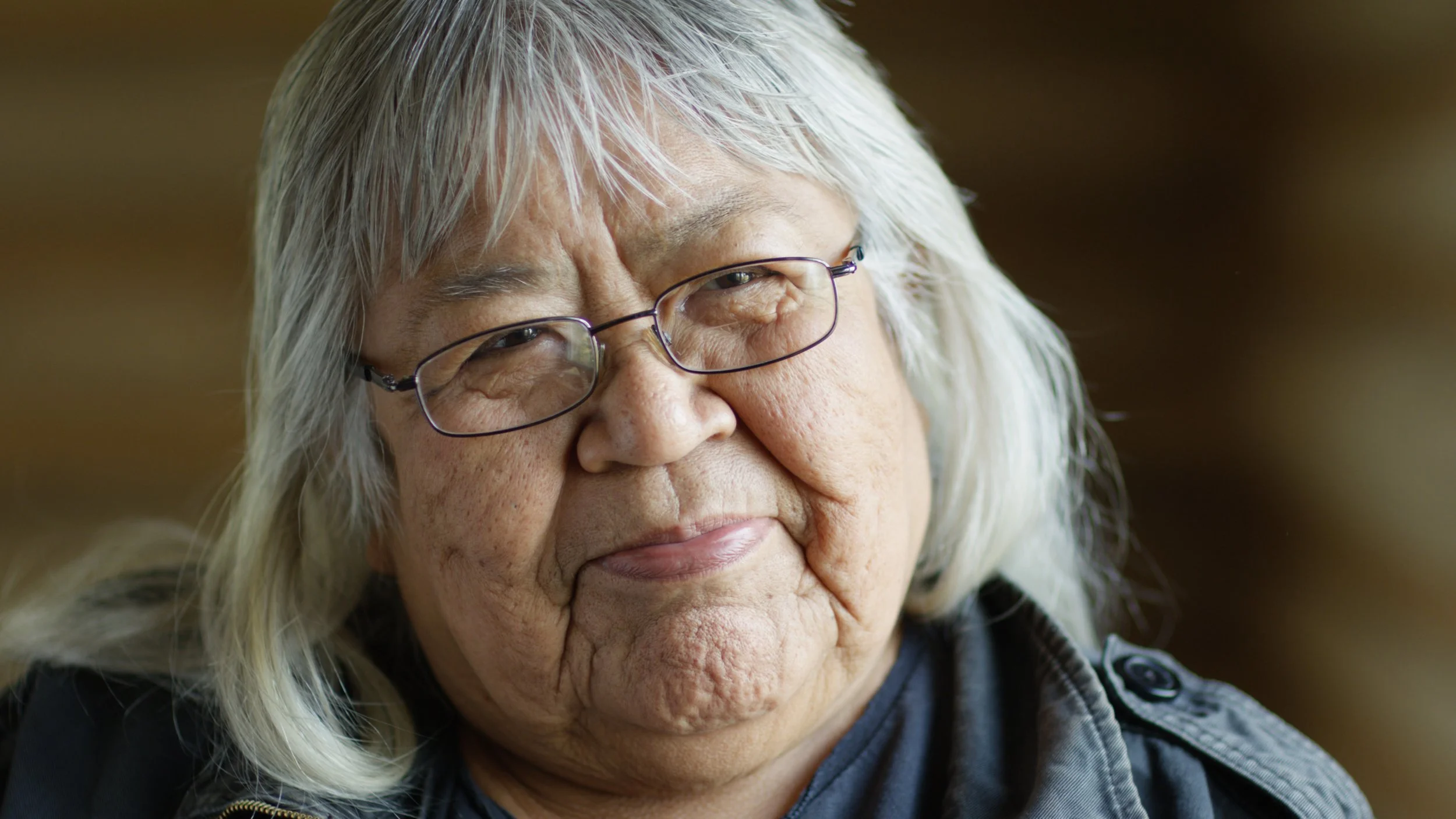
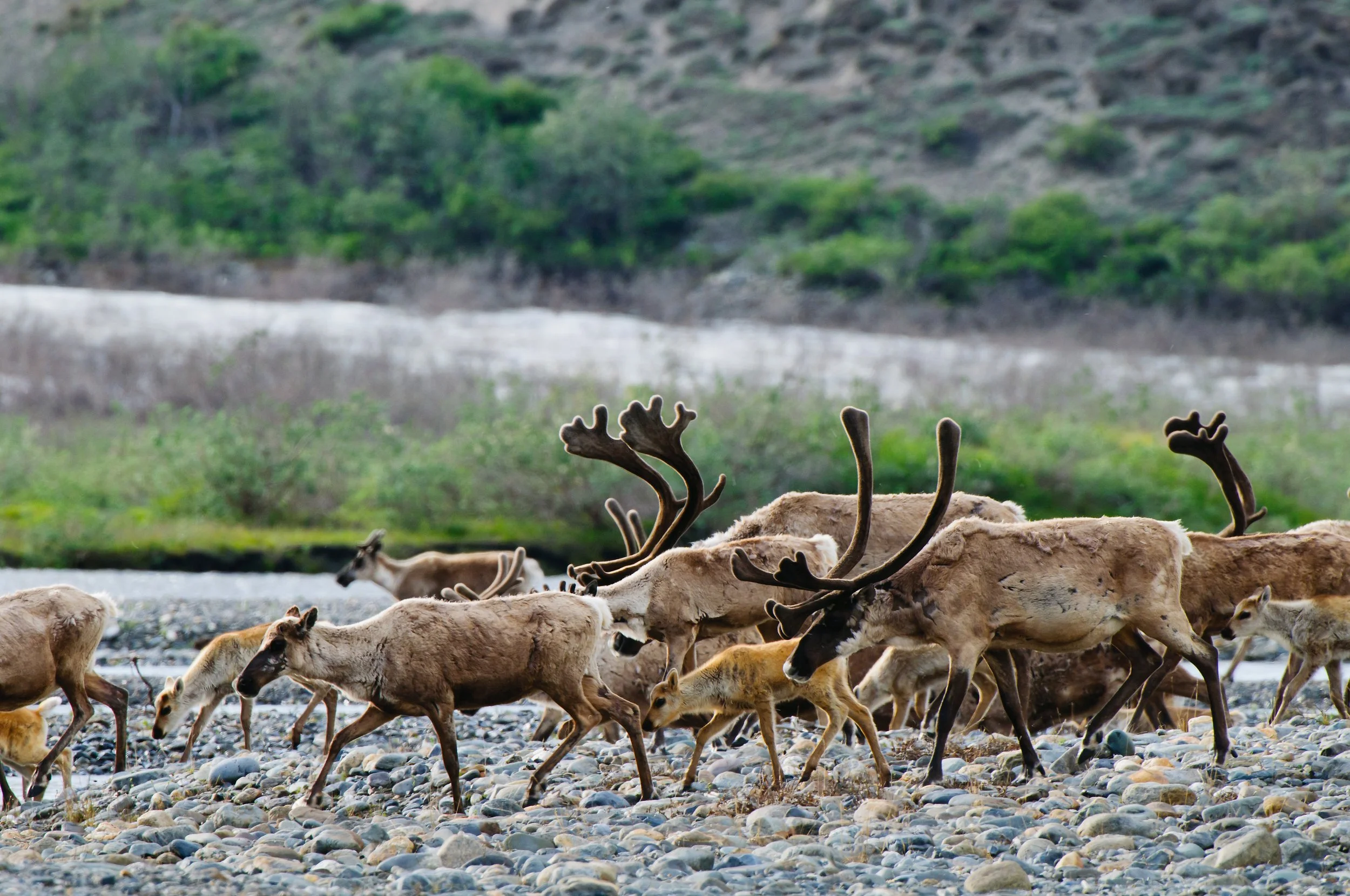
The Gwich’in Nation today spans both Alaska and Canada. They make their home on or near the migratory route of the Porcupine Caribou Herd, and have depended on this herd for their subsistence, culture, and spirituality for thousands of years. The Gwich’in have worked to protect the lands that are now known as the Arctic Refuge for generations. They – along with Iñupiat land protectors – strongly oppose any efforts to drill in the Refuge, which threatens the Porcupine Caribou Herd, risking the Gwich’in way of life.
The Gwich’in call the coastal plain of the Arctic Refuge, Iizhik Gwats'an Gwandaii Goodlit, which means “The Sacred Place Where Life Begins." They are spiritually and culturally tied to the health of the Porcupine Caribou Herd and the coastal plain. Protecting the caribou is a matter of basic human rights.
In both the Arctic Refuge and the Western Arctic, Iñupiat people rely on the health of the land and everything that it provides for their subsistence resources and are culturally connected to the landscape, having stewarded it for generations. They rely on clean air, healthy caribou herds, and the bounty of the sea. Their most important resource is the bowhead whale. When a whale is killed, the entire Iñupiat community gathers to harvest and divide the meat. Whale hunting is central to Iñupiat culture today, as it has been for countless generations.
Join us to stand with the Gwich’in who have dedicated their lives to protecting these sacred places and the Iñupiaq land protectors who are working to prevent Arctic communities from experiencing negative impacts from oil and gas development.
WE DEFEND THE
WILDLIFE
The Arctic National Wildlife Refuge and the Western Arctic Reserve are vast landscapes that innumerable species of wildlife rely upon as a home.
In fact:
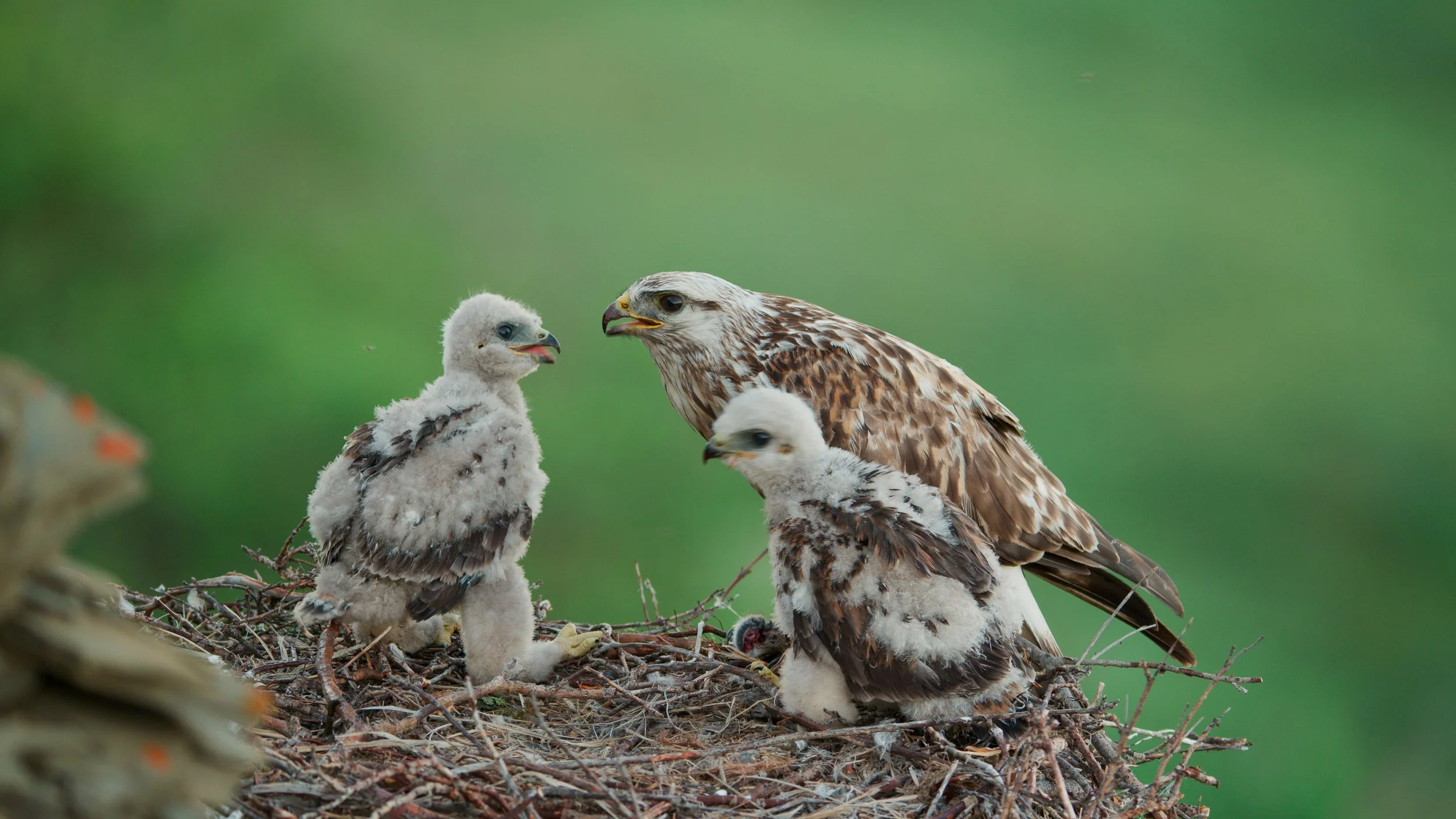
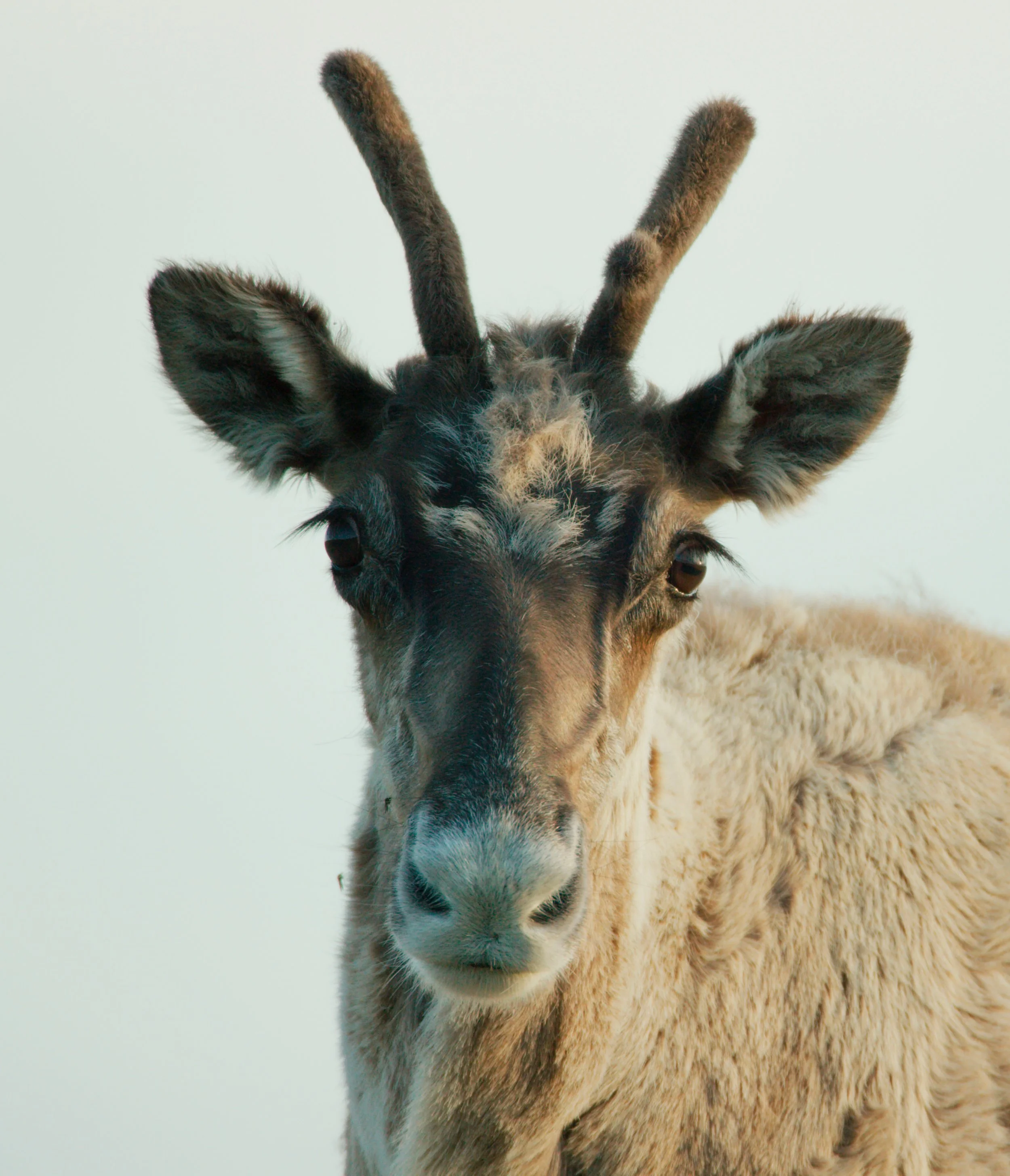
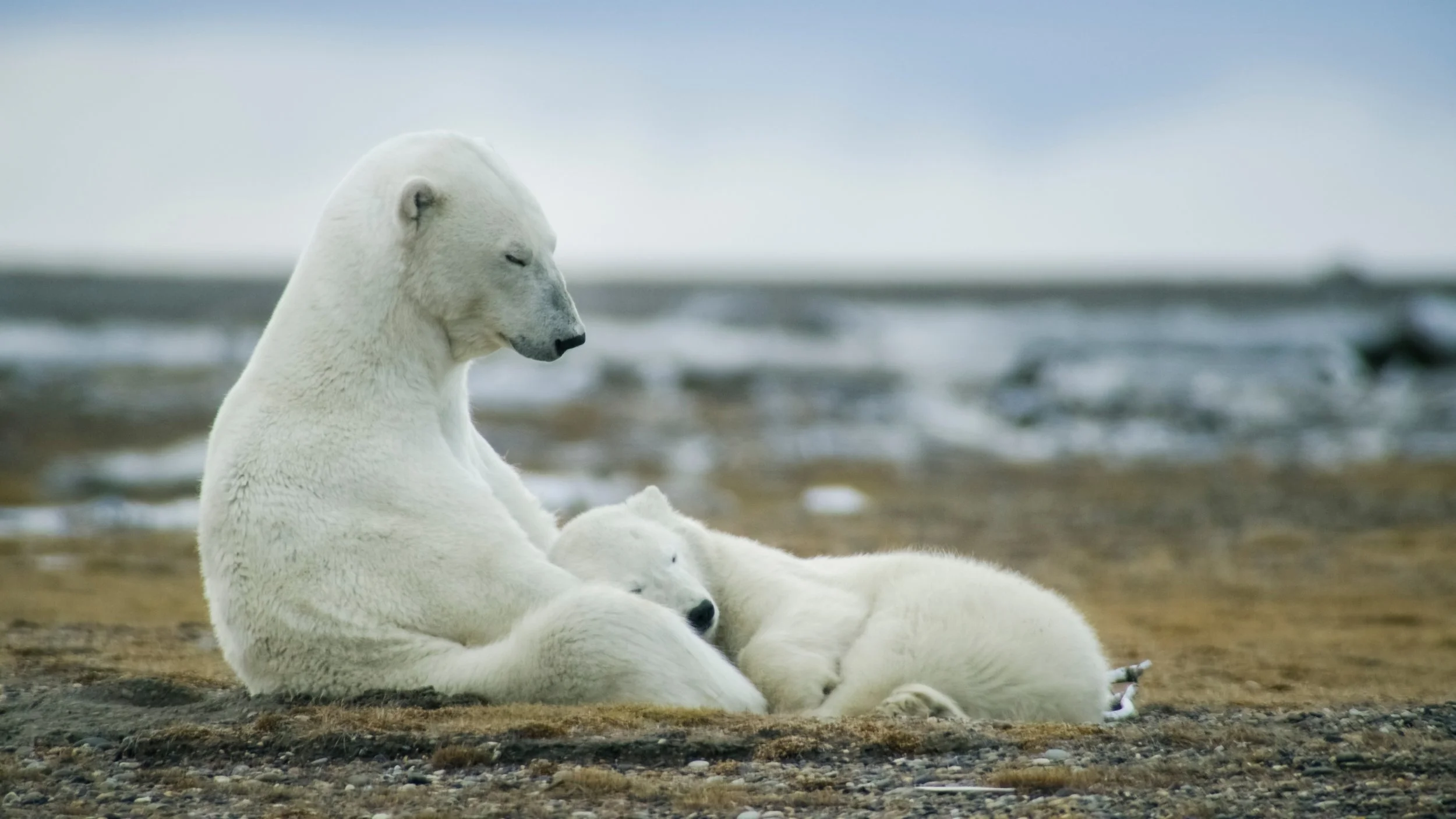
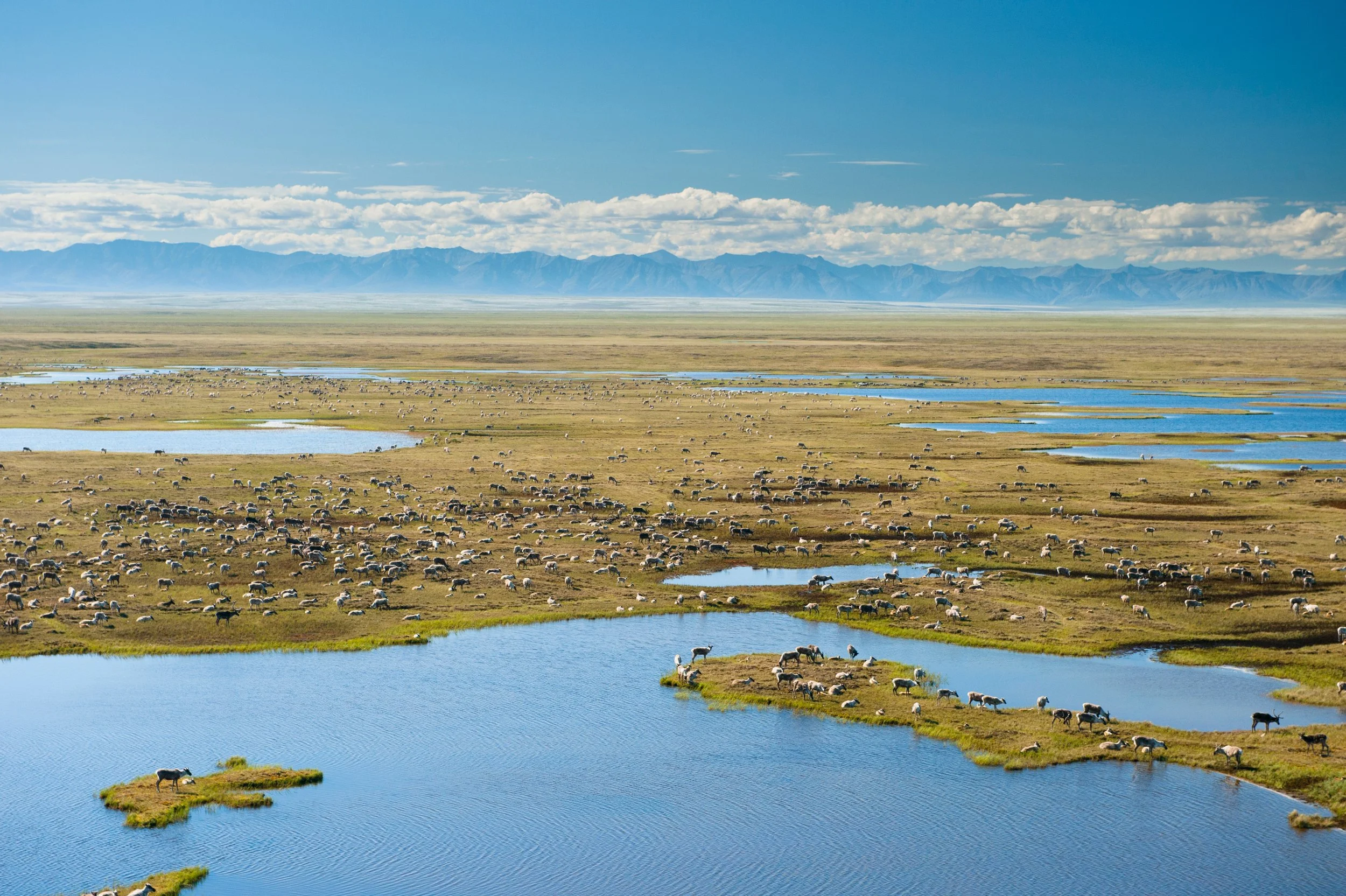
The lands and waters found in the Arctic Refuge supports the greatest variety of plant and animal life in the entire circumpolar north. It is one of our nation’s most majestic places, serving as the vital calving grounds to the Porcupine Caribou Herd, imperiled polar bears, spawning streams for Dolly Varden, Arctic Char and other valued fish species, wolves, muskoxen, Dall sheep, arctic foxes, and nearly 200 species of migratory birds that migrate to six continents and all 50 states.
The Refuge’s biological heart, the coastal plain, is called Iizhik Gwats'an Gwandaii Goodlit, “The Sacred Place Where Life Begins” by the Gwich’in. It is here on the coastal plain where the Porcupine Caribou Herd migrates each year to give birth to their young.
And the Western Arctic Reserve – which spans more than 23 million acres, the largest parcel of public lands in the United States – is home to Iñupiaq Peoples and an incredible array of wildlife. Over 100 million shorebirds and waterfowl migrate each year to Teshekpuk Lake each year, and the lands and waters within the Reserve are home to the largest population of Arctic Alaska's grizzly bears, as well as wolves, wolverines, moose, salmon, beluga and bowhead whales, and more than half a million caribou.
Despite this, both the Refuge and the Reserve are under threat from oil and gas development.
In the Reserve, ConocoPhillips is currently developing the Willow Project — a large-scale fossil fuel extraction effort that threatens the health of the landscape, wildlife, and local communities that rely on them. Without additional protections, the Reserve will be snatched up by oil companies who wish to build even more oil and gas infrastructure in the region. With Western Arctic caribou herd numbers already dropping, and mounting evidence that oil field roads disrupt caribou migrations — slicing through the Reserve for the sake of corporate profits is clearly not worth the risk.
And in the Refuge, the federal government previously admitted that it doesn’t have enough information about the impacts of oil and gas on the coastal plain to protect wildlife and resources. Drilling would force changes to migration patterns for caribou and bird species, and imperil at-risk wildlife like polar bears, which are listed as threatened under the Endangered Species Act and are federally protected under the Marine Mammal Protection Act. The Southern Beaufort Sea polar bear population already numbers as few as 900 individuals and is considered the most threatened. Oil drilling in this unindustrialized coastal habitat in an increasingly warming Arctic could actually eradicate polar bears from the United States.
Join us to defend the wildlife who are counting on us to protect their home.
WE PROTECT THE
ENVIRONMENT
The Arctic is ground zero for climate change; temperatures are rising at four times the rate of the rest of the planet. Villages are eroding into the sea, permafrost melt threatens the integrity of infrastructure, and food sources are disappearing.
Dangerous oil drilling will compound the devastating climate impacts already being felt across Arctic Alaska, harming communities already bearing the brunt of the changing climate.
For example, according to a report, locking in new oil development in the Arctic National Wildlife Refuge creates a slow-fuse time bomb that will increase carbon emissions around the world for decades. The same impacts will be felt from any oil and gas development in the Reserve — including ConocoPhillips massive Willow project. This is antithetical to addressing climate change.
We need to preserve and protect intact ecosystems, like the Arctic Refuge and the Reserve in the Western Arctic, not disregard the devastating biological, cultural, and climate impacts fossil fuel extraction will have on top of the impacts already being felt in the rapidly warming Arctic.
Join us to protect Arctic Alaska for generations to come.
TAKE A STAND
Join us in protecting Arctic Alaska and standing with the people and wildlife who call it home.